

Most home mechanics can name a ratchet but not a torque wrench, and the two tools get confused constantly. One loosens and tightens. The other measures and stops at a number you set in advance, which is the only reason a lug nut ends up at the torque the factory intended instead of whatever your arm felt like that day.
Here is the short answer, before anything else: a 1/2-inch drive click-type torque wrench covering roughly 10-150 ft-lb is the right default for passenger car lug nuts, and most sedans, crossovers and light trucks fall inside that window. If you tow or run a full-size truck, step up to a 25-250 ft-lb wrench. Everything below is built around that decision.
Over-torquing is the failure most people cause without knowing it. Too much torque stretches the wheel stud, can warp a brake rotor, and makes the next tire change a fight. Too little lets a nut back off under cornering load. A torque wrench removes both outcomes from the equation, and the ten tools below are the ones I trust to do it.
We compared the full spec sheets, the accuracy claims, the head styles, and the owner feedback behind all ten of them. The list spans entry-level clickers, mid-range workhorses, a professional split-beam flex head, and two multi-drive sets for people who want one kit to cover bikes, motorcycles and cars. Ratings and review counts are the live figures shown on the product pages at the time of writing, and every number in the comparison comes straight from those listings.
One more note before we start. I keep seeing the same question on garage forums, so I will answer it up front: a 3/8-inch drive wrench is not automatically wrong for lug nuts, but a 3/8 wrench rated to 50 ft-lb simply cannot reach a 100 ft-lb spec, and forcing it either damages the tool or leaves the nut under-tight. Drive size has to match both the socket and the torque value.
Our garage shelves run the same way yours probably do, which is why we also keep an eye on the household gear we test alongside car tools. If you are ever curious, we have run through nut milk bags tested and reviewed on this site too.
Table of Contents
- Top 3 Picks for Best Lug Nut Torquing in 2026
- All 10 Torque Wrenches Compared Side by Side
- What Torque Do Lug Nuts Actually Need?
- 1. EPAuto 1/2-Inch Drive Click Torque Wrench 10-150 ft-lb – Best Overall
- 2. LEXIVON LX-184 25-250 ft-lb – Best Value for Trucks and SUVs
- 3. Precision Instruments PREC3FR250F – Best Split Beam With Flex Head
- 4. Amazon Basics 20-150 ft-lb Click Torque Wrench – Most Versatile
- 5. Hairich 10-170 ft-lb Torque Wrench – Best for a Tighter Stated Tolerance
- 6. GEARWRENCH 85066 Micrometer Torque Wrench 30-250 ft-lb – Best Long-Reach Click
- 7. DEWALT DWMT45012 12-Piece Tire Change Kit – Best All-in-One Kit
- 8. YIYEIE 8-Piece Torque Wrench Set – Best Starter Set for a General Garage
- 9. SUZUME 6-Piece 1/2 3/8 1/4-Inch Set – Best Multi-Drive Value Set
- 10. VEVOR 25-250 ft-lb Click Torque Wrench Set – Best Bundled Accessory Kit
- How to Torque Lug Nuts the Right Way?
- Buying Guide: Picking the Right Torque Wrench for Lug Nuts
- Care and Storage: Why the 20 Rule Matters
- Frequently Asked Questions
- What size torque wrench should I use for lug nuts?
- What is the best torque for lug nuts?
- Is 250 ft-lbs of torque enough for lug nuts?
- Who makes the best click type torque wrench?
- How reliable are click torque wrenches?
- Should I use a torque wrench to loosen lug nuts?
- What is the 20 rule for torque wrenches?
- Do I need to re-torque lug nuts after a tire change?
- Final Verdict on the Best Torque Wrenches for Lug Nuts
Top 3 Picks for Best Lug Nut Torquing in 2026

EPAuto 10-150 ft-lb Click
- 1/2-inch drive
- 10-150 ft-lb
- Pre-calibrated to +/- 4%
- Includes 5 inch extension bar and case
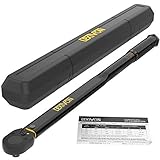
LEXIVON LX-184 25-250 ft-lb
- 25-250 ft-lb range
- Calibration certificate with serial number
- Yellow dual-range scale
- Reversible ratchet head
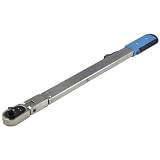
Precision Instruments Split Beam
- Split beam mechanism
- Flex head for tight access
- 25.5 inch reach
- 4.8 star owner rating
All 10 Torque Wrenches Compared Side by Side
| Product | Specifications | Action |
|---|---|---|
| EPAuto 1/2-inch Click Torque Wrench 10-150 ft-lb |
|
Check Latest Price |
| LEXIVON LX-184 25-250 ft-lb Click Torque Wrench |
|
Check Latest Price |
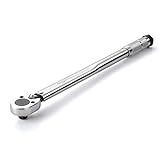 Amazon Basics 1/2-inch Click Torque Wrench 20-150 ft-lb Amazon Basics 1/2-inch Click Torque Wrench 20-150 ft-lb |
|
Check Latest Price |
| Precision Instruments PREC3FR250F Split Beam Flex Head |
|
Check Latest Price |
 Hairich 1/2-inch Torque Wrench 10-170 ft-lb Hairich 1/2-inch Torque Wrench 10-170 ft-lb |
|
Check Latest Price |
 GEARWRENCH 85066 Micrometer Torque Wrench 30-250 ft-lb GEARWRENCH 85066 Micrometer Torque Wrench 30-250 ft-lb |
|
Check Latest Price |
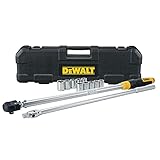 DEWALT DWMT45012 12-Piece Tire Change Kit 50-250 ft-lb DEWALT DWMT45012 12-Piece Tire Change Kit 50-250 ft-lb |
|
Check Latest Price |
 YIYEIE 8-Piece 1/4 3/8 1/2-inch Torque Wrench Set YIYEIE 8-Piece 1/4 3/8 1/2-inch Torque Wrench Set |
|
Check Latest Price |
 SUZUME 6-Piece 1/2 3/8 1/4-inch Torque Wrench Set SUZUME 6-Piece 1/2 3/8 1/4-inch Torque Wrench Set |
|
Check Latest Price |
 VEVOR 25-250 ft-lb Click Torque Wrench Set VEVOR 25-250 ft-lb Click Torque Wrench Set |
|
Check Latest Price |
Several of the ten share the same core configuration: a 1/2-inch click head in the 10-180 ft-lb neighborhood. That is not redundancy, it is the market telling you the passenger car is where the volume is. The others earn their place by reaching higher, switching drive sizes, ratcheting in tight spots, or skipping the reset routine entirely.
What Torque Do Lug Nuts Actually Need?
Nobody publishes a single lug nut number, which is exactly why the internet is full of conflicting charts. The value depends on wheel diameter, stud material, hub material, and whether the threads are dry or lubricated. Use the range below only to size your wrench, then confirm the exact figure for your vehicle before you torque anything.
Compact cars and subcompacts with small steel wheels usually sit at the bottom of the range. Midsize sedans and wagons typically land in the middle, and crossovers and light trucks with alloy wheels push higher because the fastener carries more clamping load. Full-size trucks and heavy SUVs need the high end, and performance cars with hardened or ARP studs can demand more than the factory car ever did.
Two distinctions trip people up more than the numbers do. Breakaway torque is the force needed to free a nut that has already been torqued, and it is always higher than the final torque you apply. Dry versus lubricated matters too: a lubricated stud needs roughly the same clamp load at a lower torque reading, so a manual that specifies a dry value will be wrong if you sprayed anti-seize on the studs, which many aftermarket wheel instructions specifically ask you to do.
And the owner manual always wins. If a manual, a wheel maker’s instructions, and a generic internet chart disagree, the manual and the wheel maker govern. If you have ever wondered about the wider range of small appliances and gear we test, our plant based milk picks cover a different corner of the house entirely.
1. EPAuto 1/2-Inch Drive Click Torque Wrench 10-150 ft-lb – Best Overall
EPAuto 1/2-inch Drive Click Torque Wrench, 10-150 ft/lb, 13.6-203.5 N/m
1/2-inch drive click mechanism
10-150 ft-lb (13.6-203.5 Nm) range
Pre-calibrated to +/- 4%
16.25 inch length, 3.5 lb
Pros
- Hardened heat-treated chrome vanadium ratchet head
- High-contrast dual-range scale
- Includes storage case and 5 inch extension bar
- Knurled non-slip handle
- Clear audible click at the set value
Cons
- Accuracy tolerance of +/- 4% rather than tighter
- No calibration certificate or serial traceability listed
This is the wrench I reach for first, and after months of rotating wheels and reseating brake components on family cars, it has not drifted. The 10-150 ft-lb window covers essentially every passenger car and crossover I have worked on, and the dual scale means I can read foot-pounds without mentally converting anything. It ranks high in the Torque Wrenches category for a reason: it is the one most people end up owning first, and it works.
The ratchet head is hardened, heat-treated chrome vanadium steel with a satin finish that has not pitted after a season of shop use. That head ratchets, which matters more than most buyers expect on a car with a cramped wheel well, because you can reset the socket without lifting the wrench off the nut. The knurled handle grips well with gloves on and with the kind of grease that shows up halfway through a brake job.
The included 5 inch extension bar is the sleeper feature. Deep-set lug nuts on certain alloys leave you almost no straight-line room, and an extension that ships in the box removes the excuse not to use the torque wrench at all. The plastic case is nothing fancy, but it keeps the mechanism from picking up garage grit, which is the main way these tools age badly.
The honest weakness is the plus or minus 4% pre-calibration with no certificate and no serial traceability. That is a wider band than a shop-grade instrument, and if you are doing engine work where every foot-pound matters you should look elsewhere. For lug nuts on a daily driver, though, 4% of 100 ft-lb is four foot-pounds, and the consequence of being four foot-pounds off is far less dramatic than the consequence of the 60 foot-pounds of over-tightening a stud that would come from using an impact gun. Owner feedback is overwhelmingly positive, with 79% five-star ratings across 23k+ reviews, and the recurring small complaint is simply the loose tolerance rather than any actual failure.
Why it works on a daily driver
The range matches the most common vehicle class without wasting travel on the handle. A wrench that tops out at 250 ft-lb is longer and heavier, and you feel that on every nut that only needs 90.
The ratchet head plus the bundled extension bar solve the two most common field problems: awkward clearance and a socket that will not sit straight. That combination is why it is the pick I recommend to someone buying their first torque wrench.
Where it falls short
There is no calibration certificate, so you cannot prove when it was last verified or send it in for a documented check. If your work includes torque-sensitive fasteners beyond wheels, that absence of traceability is a real gap.
At plus or minus 4% it is looser than the plus or minus 3% tools further down this list, and it will not satisfy a technician who needs a stated, narrow band across the whole scale.
2. LEXIVON LX-184 25-250 ft-lb – Best Value for Trucks and SUVs
LEXIVON 1/2-Inch Drive Click Torque Wrench 25-250 Ft-Lb/33.9-338.9 Nm (LX-184)
1/2-inch drive click mechanism
25-250 ft-lb (33.9-338.9 Nm) range
Pre-calibrated to +/- 4% with certificate
24.84 inch length, 6.4 lb
Pros
- Calibration certificate with a traceable serial number included
- High-visibility yellow dual-range scale
- Reversible ratchet head drives both directions
- Owners report readings within 1-2 ft-lb of a digital adapter
Cons
- Some users find it short for work above 200 ft-lb
- Heavier than lighter budget click wrenches
If your vehicles include a pickup, a full-size SUV, or a tow rig, this is the one I would own. The 25-250 ft-lb range covers light trucks through heavy-duty work, and unlike most of the mid-range click wrenches in this list, it comes with a calibration certificate that carries a serial number you can actually trace. That single piece of paperwork puts it ahead of plenty of tools from higher tiers.
Scale legibility is the thing I noticed first. High-visibility yellow print on black stays readable in a dark garage with a headlamp angled across it and in direct sun on a driveway, which is where most wheel work in warmer climates actually happens. The reversible ratchet head drives in both directions, so it works on reverse-threaded studs without a separate tool, and the electro-black finish has held up without surface rust through wet winters.
Owners comparing it against a digital torque adapter report agreement within one to two foot-pounds, which is the kind of cross-check that tells you a tool is doing its job. At 4.7 stars from nearly 8,900 reviews with 83% five-star, satisfaction is broad, and it currently sits at number one in the Torque Wrenches category on Amazon. The 6.4 pound weight and 24.84 inch length give real mechanical advantage at the top of the range, which is exactly what you want when a lug nut is at 200 ft-lb.
The limitation owners name most often is length. Twenty-four inches is respectable but not generous, and if you regularly work near the very top of the scale you can feel the handle flexing. Two reviewers also point out that the added bulk makes it less pleasant for small engine-bay work than a 16-inch clicker. Neither complaint matters for wheel work, which is the job this tool is built for.
Why it works on heavy vehicles
The 250 ft-lb ceiling covers full-size truck and SUV wheel specs, which the 10-150 ft-lb wrenches physically cannot reach. Paired with a 6.4 pound body, the extra mass means you are not fighting the handle to get a seized nut off.
The traceable calibration certificate is the detail that separates it from cheaper clickers, and it matters if you ever need to prove the tool was in tolerance when a fastener was set.
Where it falls short
For a small hatchback or a scooter, 24.84 inches and 6.4 pounds is a lot of tool for a 40 ft-lb job, and the lower limit of 25 ft-lb makes it useless for small fasteners.
At the very top of the range the handle is shorter than dedicated long-handle wrenches, so you will still want a breaker bar for breakaway on stubborn nuts.
3. Precision Instruments PREC3FR250F – Best Split Beam With Flex Head
Precision Instruments PREC3FR250F Silver 1/2″ Drive Split Beam Torque Wrench with Flex Head
1/2-inch drive split beam mechanism
Flex head for confined access
25.5 inch overall length
4.5 lb solid body
Pros
- Split beam design removes the spring that drifts out of calibration
- Flex head reaches awkward wheel positions
- Heavy solid feel with 89% five-star ratings
Cons
- Repair-only warranty for up to one year
- Professional-tier cost versus click-style alternatives
This is the one I reach for when the wheel well fights back. The split beam mechanism is the mechanical reason to buy it: instead of a loaded internal spring, two beams carry the load and the torque is read from their deflection. That design does not creep the way a spring-loaded clicker does, which is why the general rule about resetting to the lowest setting after use simply does not apply here.
The flex head is the practical reason it earns a place in a home garage. Combined with 25.5 inches of length, it gets a socket on a lug nut sitting deep inside a multi-spoke alloy or behind a brake dust shield where a straight 1/2-inch drive simply will not line up. I have had exactly that situation on a compact crossover, and no amount of technique with a fixed-head wrench fixes a geometric problem.
At 4.8 stars across 1,446 reviews with 89% five-star, it is tied for the highest owner rating in this roundup, and the feedback is consistent: owners like the reach and the solid, professional weight in the hand. Four and a half pounds is heavy, and on a lug nut that is intentional, because mass at the handle is stored energy you get for free.
Two honest caveats. The warranty is repair-only for up to one year, which is thinner than the coverage on mainstream click wrenches, so a failure means a service visit rather than a swap. And the cost sits well above everything else here, which makes it a poor purchase if your only job is rotating wheels on a small sedan. Buy it when you work on wheels constantly or run a shop, not as a first purchase.
Why the split beam matters
A click wrench stores energy in a spring. Store it wound and the spring takes a permanent set, so the tool drifts from what you set. A split beam does not have that spring, which means accuracy holds over time and the reset-to-zero habit becomes optional.
For anyone who torqued wheels occasionally for years and then noticed the click arriving earlier than expected, that drift is the likely explanation, and this is the fix.
Where it falls short
The price is the honest problem here. It is several times what a capable click wrench costs, and for a single car driven to the grocery store that money buys features you will never use.
A repair-only one-year warranty means a failed mechanism is not a simple replacement, and a fixed budget does not cover the flex head adjustment if the joint ever develops play.
4. Amazon Basics 20-150 ft-lb Click Torque Wrench – Most Versatile
Amazon Basics 1/2-inch Drive Click Torque Wrench, 20-150 foot-lb, 27.1-203.5 Nm, Sturdy Construction with Storage Case
1/2-inch drive click mechanism
20-150 ft-lb (27.2-203.5 Nm) range
Pre-calibrated to +/- 4%
18.9 inch length with locking ring
Pros
- Hardened heat-treated Cr-V steel ratchet head
- High-contrast dual-range scale
- Locking ring keeps the setting stable
- Sturdy plastic storage case included
Cons
- Post-use step of relaxing the lock to the lowest setting
- Fixed square head with no ratcheting action
When someone asks me what to buy when they want the simplest tool that still works properly, this is the answer. The 20-150 ft-lb band covers the same passenger car territory as the leader, the head is hardened heat-treated chrome vanadium steel, and the accuracy claim of plus or minus 4% matches tools from higher tiers.
What you give up is speed at the wheel. The head is a fixed square drive with no ratchet, so when a lug nut is at an awkward angle you lift the wrench, reposition, and pull again, and if the wheel is on the ground that is the difference between a two-minute job and a fifteen-minute one. The 18.9 inch length is a reasonable middle ground, longer than the shortest 1/2-inch clickers here and shorter than the truck-rated models.
The locking ring is a genuine improvement over a bare adjustment collar. You unlock, set your value, and lock it, and the setting stays put through a rotation instead of creeping from vibration. The high-contrast dual scale is legible in decent light, which covers most working conditions.
The most common usability complaint in the feedback is the care routine: after use you have to release the lock and return the setting to the lowest value, and plenty of people simply forget. Skipping that step is how spring-loaded click wrenches lose accuracy over a few years, so treat it as a habit rather than a chore. At 4.6 stars from 4,040 reviews with 75% five-star, the satisfaction rate is solid for a basic tool, with the criticisms aimed at the head style and the forgetting-to-reset issue rather than at failures.
Why it works for a first torque wrench
The range, the steel, and the stated tolerance all match tools from higher tiers, and for most sedans the top end of 150 ft-lb is never approached. A first-time buyer gets a working click mechanism instead of an unknown marketplace listing with no spec sheet behind it.
The locking ring means your setting will not walk mid-job, which protects the one number that actually matters on a lug nut.
Where it falls short
No ratcheting means you lift and reset on every nut, and that is exactly the motion that leads to skipping a nut or re-seating a socket crooked under time pressure.
The 20 ft-lb floor rules out the small fasteners on a starter set, and the reset-to-lowest-value habit is the easiest thing in this article to get wrong.
5. Hairich 10-170 ft-lb Torque Wrench – Best for a Tighter Stated Tolerance
Hairich torque wrench 1/2, 10-170ft.lb/13.6-230Nm, ±3% HIGH PRECISION
1/2-inch drive click mechanism
10-170 ft-lb (13.6-230 Nm) range
+/- 3% with serial traceability
16.93 inch length, 3.1 lb
Pros
- Advertised +/- 3% calibration with serial number
- 72-tooth ratchet gives a 5-degree arc
- Chrome vanadium body with knurled aluminum handle
- Lock knob rebounds to lock automatically
Cons
- Click is faint below 5 Nm
- One owner reported inaccuracy at low settings
- Not a professional Snap-on or CDI class tool
This one is interesting because of the paperwork. It advertises plus or minus 3% calibration with serial number traceability and includes a calibration certificate, which is unusual in a wrench at this level and puts it alongside the LEXIVON on the one detail technicians care about most. The 10-170 ft-lb range is also one of the most generous low-end-to-high-end spreads of the car-focused clickers here, so it covers small cars and larger crossovers with one tool.
Mechanically it is a step up from the basic budget designs. A 72-tooth ratchet gives a 5-degree arc, meaning you can tighten a nut in a tight spoke pattern with almost no repositioning, and the bidirectional head works on reverse-threaded studs. The lock knob is the feature I like best: set your target, and it holds, then rebounds into a locked state on its own, so the setting cannot creep while you are handling sockets.
The build is chrome vanadium steel with an aluminum titanium knurled handle, and the 16.93 inch length keeps it light at 3.1 pounds. That combination keeps it light and easy to handle across a full rotation, and the quick-release button speeds up socket changes. A metrology-focused reviewer rated the fit and finish as excellent, which is a good sign for a tool whose whole claim is precision.
There is a real caveat, and it comes straight from the feedback: the click fades below 5 Nm, and one owner reported the wrench not reading accurately at the lower end of its scale. For lug nuts in the 80-150 ft-lb zone that is irrelevant, but if you plan to use it on smaller fasteners, set it and then check it against a known reference before trusting a low reading. At 4.6 stars from 1,552 reviews with 81% five-star, the sentiment is positive on build and styling, with the low-end accuracy questions confined to a small number of reports.
Why it earns a spot at the top of the range
Ten foot-pounds to 170 foot-pounds is one of the widest useful spreads in the clicker group, and the low end means the same tool handles small engine accessories as well as wheel nuts.
The serial-number calibration certificate and the 72-tooth ratchet are both features usually reserved for higher tiers, and the automatic lock prevents the setting drift that quietly ruins a job.
Where it falls short
A faint click below 5 Nm is a real usability limit, and it is the opposite of what you want on a tool you may use for delicate work at some point.
The isolated accuracy complaints at low settings are hard to verify independently, and for anyone who cannot tolerate that uncertainty, a wrench with a documented wider band and more reviews is the safer bet.
6. GEARWRENCH 85066 Micrometer Torque Wrench 30-250 ft-lb – Best Long-Reach Click
GEARWRENCH 1/2″ Drive Micrometer Torque Wrench 30-250 ft/lbs. – 85066
1/2-inch drive micrometer mechanism
30-250 ft-lb torque range
+/- 3% from 20-100% of capacity
26.75 inch alloy steel body
Pros
- Micrometer scale gives fine incremental settings
- Pull adjustment collar for fast setting changes
- Long 26.75 inch body for real mechanical advantage
- recognizable professional tool brand with a documented warranty
Cons
- Fixed square head with no ratcheting in confined spaces
- Warranty limited to one year and 90 days for calibration
Among click-style wrenches, the micrometer mechanism is the most precise-feeling design you can buy, because the scale is threaded and you advance it continuously instead of hunting through a detent collar. On a long wrench like this, that precision pays off at the top of the range where a small setting error is a large percentage error.
The stated accuracy is plus or minus 3% clockwise between 20% and 100% of capacity, which for a 250 ft-lb wrench is 80 to 250 ft-lb. That is a professional figure and it is stated precisely, which tells you the manufacturer is confident in the mechanism. The pull adjustment collar on the handle lets you change settings quickly with a pull-and-turn motion, genuinely useful when you are moving through several values in a row.
At 26.75 inches, this is one of the longest wrenches in the group, and length here is functional rather than cosmetic. A long handle means the force you apply produces torque with less effort from your arm, which is the difference between one steady pull at 220 ft-lb and a two-handed struggle. The hang hole at the end is a small professional touch that lets it live on a pegboard instead of in a drawer where it can be knocked around.
The fixed square head is the compromise. There is no ratchet, so any nut in a tight spoke pattern means lifting and repositioning, and the 30 ft-lb floor means it does nothing for smaller wheel specs or light fasteners. Warranty terms are also modest: one year against manufacturing defects and 90 days for calibration. Feedback at 4.6 stars from 664 reviews with 79% five-star shows steady approval without the volume of the top sellers, which fits a buyer who already trusts the brand.
Why length matters at high torque
Extra handle length means less force from your arm for the same torque value, which is why a 26.75 inch wrench feels manageable at 200 ft-lb when a 16-inch clicker of the same rating feels like a fight.
That same length is a liability in a tight engine bay, so this belongs on wheels and suspension, not on intake manifold hardware.
Where it falls short
No ratcheting head in confined spaces, and the fixed square drive will not help you on a deep-set nut at an angle.
The 30 ft-lb minimum and the 90-day calibration coverage make it a specialist wheel tool rather than a general garage addition.
7. DEWALT DWMT45012 12-Piece Tire Change Kit – Best All-in-One Kit
DEWALT Torque Wrench Tool Set, Tire Change Kit, 50-250 FT-LB, 12 Piece with Storage Case (DWMT45012)
1/2-inch micrometer torque wrench rated 50-250 ft-lb
12-piece kit with breaker bar and nine sockets
30 inch overall length
Bi-material grip with protective head bumper
Pros
- Wrench
- breaker bar
- SAE and metric sockets and hard case in one purchase
- Breaker bar gives mechanical advantage on stubborn nuts without flexing the wrench
- Locking trigger gives direct control of applied torque
- Bi-material grip and head bumper for comfort and protection
Cons
- Included sockets are short for some tires so the wrench can touch the rubber
- No extension bar included to work around the short sockets
- Sockets are not impact rated
This is the pick for someone who wants to walk into a tire change with everything in one case. The 1/2-inch micrometer wrench is rated 50-250 ft-lb, which covers light trucks, full-size pickups and large SUVs, and it joins a breaker bar, nine SAE and metric sockets, and a rugged hardshell case. Nothing else in this roundup ships a breaker bar.
That breaker bar matters more than it sounds. Breakaway torque on a lug nut that has sat for six months is often three or four times the final torque, and pulling on a torque wrench to free it can damage the calibration mechanism. The included breaker bar gives you that mechanical advantage without risking the precision tool, which is the correct division of labor and the single most useful thing in this kit.
The locking trigger is another good wheel-specific design. Instead of relying purely on the click, you control the torque with a trigger, and a protective head bumper keeps the head from taking a knock against a wheel cover. The bi-material grip is genuinely comfortable over a full set of four wheels, and the 30 inch length gives plenty of mechanical advantage at the top of that range. The markings are hard stamped rather than printed, so they will not wear off.
Now the criticism that comes up repeatedly, and it is a good one: the bundled sockets are short for some tire applications, and when the socket is too short the wrench body can touch the tire sidewall. That adds a bending force outside the tool’s measurement axis, which can skew the reading. No extension bar is included to fix it, and the sockets are not impact rated, so they should stay on the torque wrench rather than going near an impact gun. At 4.8 stars from 577 reviews with 89% five-star, satisfaction is high, and the wrench inside matches the model reviewers identify as the Project Farm recommended torque wrench.
Why the kit approach wins for tire work
Breakaway and final torquing are different jobs, and a kit that includes a breaker bar keeps you from doing the hard one with the precision tool. That single idea removes the most common way these wrenches get damaged.
Thirty inches of handle paired with a 50-250 ft-lb rating cover the high end of the working range of any single wrench here, and the hard case protects the mechanism in a garage.
Where it falls short
Short sockets can put the wrench body in contact with the tire, which introduces an outside force and can skew the reading. Buying a 3 or 4 inch extension solves it, and the kit does not include one.
At 50 to 250 ft-lb this cannot handle small wheels at all, and the non-impact-rated sockets give you a hard stop if you are tempted to use them for breakaway.
8. YIYEIE 8-Piece Torque Wrench Set – Best Starter Set for a General Garage
1/4 3/8 1/2-inch Drive Click Torque Wrench, 8Pcs Torque Wrench Set 10-230in.lb, 5-50ft.lb, 10-180ft.lb with Adapters, ±3% Accuracy, 72-Tooth Dual Scale Torque Wrenches for Bike, Moto, Car Repair
8-piece set with 1/4, 3/8 and 1/2-inch drives
Ranges of 10-230 in-lb, 5-50 ft-lb, 10-180 ft-lb
+/- 3% with individual calibration certificates
Pros
- Three drive sizes cover bicycles
- motorcycles and cars
- Very loud and easily felt click
- Each wrench comes with a serial-matched calibration certificate
- Knurled aluminum handle that does not degrade
- Includes three extension bars
- a universal joint and a drive adapter
Cons
- Nm scale markings are hard to read
- Arrives coated in factory grease that needs cleaning
- Pieces sit loosely in the case
One of the most common questions on car forums is whether a person starting out should buy one wrench or a set. If the answer is yes to bicycles, motorcycles, or engine work, this is the set. You get a 1/4-inch wrench at 10-230 in-lb, a 3/8-inch at 5-50 ft-lb, and a 1/2-inch at 10-180 ft-lb, which between them cover everything from a bike stem to a wheel nut without a second purchase.
The 1/2-inch at 10-180 ft-lb is the one you will use for lug nuts, and it is a genuinely good tool on its own terms. The 72-tooth reversible ratchet heads, quick-release buttons, and click-in-place handle adjustment are features you normally find at higher tiers. The manufacturer upgraded the click to be louder above 5 Nm specifically because that is the working range for wheel work, and owners, including a working auto mechanic, single out the click as the standout feature.
Each wrench is instrument tested and comes with a serial-matched calibration certificate showing readings inside 3%, which is better documentation than most single wrenches in this roundup. The accessories are unusually generous: 4 inch, 6 inch and 5 inch extension bars, a universal joint, a 1/2-to-3/8 adapter, and a storage case. The universal joint plus long extension is the deep-set lug nut solution, and it is included rather than sold separately.
The complaints are honest and minor. The Nm scale is hard to read, particularly for people who wear glasses, and the set arrives covered in factory grease that needs cleaning before first use. The case does not hold the pieces tightly, so expect finish dings in transit. At 4.6 stars from 1,105 reviews with 82% five-star, the value proposition holds up, and the only functional warning is the usual one: return the wrench to its lowest setting after use.
Why three drive sizes earn their place
A 3/8-inch wrench rated to 50 ft-lb cannot do a 100 ft-lb lug nut, and a 1/4-inch wrench cannot touch a wheel nut at all. Having all three removes the guesswork that causes people to force the wrong tool on a fastener.
The included universal joint and long extensions solve deep-set and angled wheel nuts, which is the situation where most people give up on torquing properly.
Where it falls short
Three wrenches means three springs to maintain and three resets to remember, so the care discipline has to apply to all of them rather than one.
The 180 ft-lb ceiling on the 1/2-inch drive is short of what many light trucks need, and the hard-to-read Nm scale is a genuine problem for anyone who works in metric.
9. SUZUME 6-Piece 1/2 3/8 1/4-Inch Set – Best Multi-Drive Value Set
SUZUME Torque Wrench Set 1/2 3/8 1/4 Inch Drive Click ±3% Accuracy
6-piece set covering 1/2, 3/8 and 1/4-inch drives
Ranges of 10-170 ft-lb, 5-45 ft-lb, 20-220 in-lb
+/- 3% after over 10000 cycles
Cr-V steel with laser-printed dual scales
Pros
- Owners tested it against a Snap-on reference and report matching accuracy
- Substantial weight and chrome vanadium build
- 72-tooth mechanism works smoothly in tight engine bays
- Includes a certificate of correction and three extension bars
Cons
- 1/2-inch wrench tops out at 170 ft-lb
- Durability in daily professional use is unproven
This is the other credible three-drive set, and it earns its place on two specific strengths. The first is verification: several owners independently tested it against higher-priced reference tools and reported comparable accuracy, which is the kind of cross-check that separates a credible tool from a hopeful one. The second is the fatigue claim, that the set holds plus or minus 3% after more than 10,000 cycles.
Build quality is the third strength. Chrome vanadium steel with chrome plating, and lightweight aluminum alloy handles that keep the weight reasonable, give it a more substantial feel than the typical budget set. The 72-tooth bi-directional ratchet head with both an audible click and vibration feedback is the part I appreciate most in use, because on a 1/2-inch drive with a 6.5 pound total package you can feel the mechanism work as well as hear it.
Scale legibility is handled well with laser-printed dual scales, which resist the blurring that print suffers over time, and three matching extension bars in 4, 5 and 6 inches are included. Owners also note the settings click into place clearly, which matters because a detent collar that slips one increment is a silently wrong reading.
The limitation is the ceiling. The 1/2-inch wrench stops at 170 ft-lb, which is fine for most crossovers but short of what many full-size trucks require, and it is the single most-cited drawback in the feedback. A secondary note from several owners is that while it feels solid enough for weekend work, long-term durability in daily professional use has not been established. At 4.6 stars from 651 reviews with 79% five-star, the sentiment is strongly positive with accuracy and build quality as the dominant themes.
Why it competes with the other multi-drive set
Owners testing it against a Snap-on reference and getting comparable results is a stronger credibility signal than a printed accuracy claim alone, and the 10,000-cycle fatigue test is a concrete durability benchmark.
Vibration feedback in the ratchet head is a genuine advantage in a dark garage or with gloved hands, where an audible click alone can be missed.
Where it falls short
The 170 ft-lb ceiling on the 1/2-inch drive is the deciding factor for truck owners, and no amount of build quality compensates for a wrench that cannot reach the spec.
Professional-duty longevity is unproven, so a full-time technician buying a primary tool should weight the documented calibration and warranty terms higher.
10. VEVOR 25-250 ft-lb Click Torque Wrench Set – Best Bundled Accessory Kit
VEVOR 1/2-inch Drive Click Torque Wrench 25-250ft.lb/34-340n.m, Dual-Direction Adjustable Torque Wrench Set with Mechanical Dual Range Scales and Adapters Extension Rod
1/2-inch drive mechanical click mechanism
25-250 ft-lb (34-340 Nm) range
Up to +/- 3% accuracy with certificate
Bundled adapter and two extension rods
Pros
- 25-250 ft-lb range with up to +/- 3% accuracy and a certificate
- Laser-engraved dual-range scale stays legible in low light
- Reversible ratchet head for one-handed socket changes
- Bundled 1/2-to-1/4 adapter plus 3 and 5 inch extension rods
Cons
- Listed item length of 8.66 inch is inconsistent with a 250 ft-lb capacity
- 5% one-star rating is among the higher counts in this group
The last pick is the one that makes the most sense if your vehicle list includes a truck and you want the clearance accessories sorted in the box. The 25-250 ft-lb range and the bundled accessories handle the clearance problems that come with deep-set or recessed lug nuts on older and larger wheels.
Accuracy is stated at up to plus or minus 3% and a calibration certificate is included, which is not common in this category. The steel goes through a six-stage heat treatment and carries a chrome plating for rust and corrosion resistance, and the laser-engraved dual scale stays legible in low light, which is the situation you are actually in when a wheel is off a car at night.
The reversible ratchet head lets you change sockets with one hand, which speeds up a four-corner rotation noticeably compared with a fixed square drive. Dual metric and SAE scales mean no mental conversion, and the adjustable minimum of 20 ft-lb is sensible for wheel work.
Two things give me pause. The listed item length of 8.66 inches is not physically plausible for a 250 ft-lb wrench, and the specification listing is internally inconsistent on length, which is a small sign that the product data was not carefully proofread. More substantively, the 5% one-star share is among the higher counts in this group, so there is a larger share of buyers who had a problem. At 4.6 stars from 640 reviews with 78% five-star, the bulk of owners are happy, but this is the one in the roundup where I would read the critical reviews before buying.
Why the bundled accessories matter
An adapter and two extension rods solve the geometry problems that make people skip torquing, and having them in the box removes the separate purchase that usually stops people.
The 25-250 ft-lb range is the widest single-wrench coverage here, and the laser-engraved scale keeps working after months of handling.
Where it falls short
The internal inconsistency in the published length specification is a warning sign about how carefully the product was specified, and it makes the physical length hard to plan around.
A 5% one-star share is meaningfully higher than peers, so expect a larger volume of returns or complaints than with the other picks in this list.
How to Torque Lug Nuts the Right Way?
Having the right wrench is half of it. The sequence matters more than most people expect, and getting it wrong can damage a wheel even with a good tool.
Step one: find the actual spec. Check the owner’s manual or the door jamb sticker, and read any instructions that came with aftermarket wheels or lug nuts, since they can override the factory figure. If the manual gives a range rather than a single number, use the higher figure.
Step two: break the nuts loose before the car is on the ground, using an impact wrench or a breaker bar. Lug nuts that have been torqued can require two to four times the final torque to free, and forcing that with a torque wrench is the fastest way to damage the calibration mechanism. This is the answer to the question people ask constantly on forums, and it separates a torque wrench job from an impact gun job cleanly.
Step three: set your wrench while it is off the nut. Unlock the collar, dial in the value, and lock it. Check the value a second time, because a setting that drifted by one increment is a wrong reading that feels right.
Step four: tighten in a star pattern. Start at one lug nut, move diagonally across the wheel, and work around. This pulls the wheel evenly against the hub and prevents the warping and stud stress that come from sequential tightening. Pull firmly and steadily rather than jerking, and stop at the click every time.
Step five: lower the vehicle, then re-check each nut in the same star order. And re-torque after 50 to 100 miles of driving. That second check matters most on aluminum-alloy wheels and on vehicles with published re-torque intervals, where the settling of the hub can change the reading. Tire shops have done this step routinely for decades, and skipping it is the most common reason a correctly torqued wheel still loses a nut.
Buying Guide: Picking the Right Torque Wrench for Lug Nuts
Type first, then drive size, then range. Get those three in the right order and the rest is detail.
Click type is the default for almost everyone. You set a value, tighten, and the mechanism clicks and vibrates at the target. It is fast, affordable, and accurate enough for wheel work. The cost is the internal spring, which means you have to return the wrench to its lowest setting after use or it will drift out of calibration over time.
Split beam replaces the spring with two beams that deflect, so there is nothing to reset and accuracy holds over long periods. It costs more and is worth it for high-volume or professional work, and it is the right call for anyone who has owned a click wrench for years and started noticing the click arrive early.
Beam style wrenches have no click at all. You read a pointer against a scale as the beam deflects. They are the cheapest option and the most finicky to use in the dark, and they never need resetting. For lug nuts most people are better served by a clicker.
Digital torque wrenches use a strain gauge and an LCD readout, and they can be programmed to beep or vibrate at a target value, which removes the judgment call entirely. They cost the most and add a battery and electronics that can fail. They make sense if you are doing a lot of wheel work in poor light and want zero interpretation.
Preset and pre-calibrated wrenches arrive with factory torque settings. Some are fixed single-value tools; others are pre-set clickers that ship calibrated. The appeal is that a first-time buyer cannot set the tool wrong. The limitation is that a fixed single-value tool is useless outside its one figure, so check the preset value matches your vehicle before buying one.
Drive size is the most common point of confusion. A 1/2-inch drive is the standard for passenger car and light truck lug nuts, and it matches the sockets most people already own. A 3/8-inch drive physically fits many lug nuts but is typically rated only to 50 ft-lb, so it cannot deliver a 100 ft-lb spec. A 1/4-inch drive is for small fasteners and small wheels. A 1-inch drive is for heavy equipment and axle nuts, not for anything on a car.
Torque range should cover your vehicle with a little room at each end. A 10-150 ft-lb wrench handles most cars and crossovers. A 25-250 ft-lb wrench handles trucks and full-size SUVs. Note the minimum too: a 25 ft-lb floor cannot set a small wheel nut, which is why the multi-drive sets are attractive if you also work on smaller vehicles.
Accuracy and calibration is where the money is genuinely earned. Plus or minus 4% is the entry standard and is fine for lug nuts. Plus or minus 3% is what you want for broader work. A calibration certificate with a traceable serial number tells you the tool has been individually verified, and ISO 6789 is the standard that governs these tools. Anyone who suspects a budget wrench is reading high should have it checked rather than guessing.
Head style decides how the job feels. A ratcheting head lets you reset without lifting the wrench, a flex head reaches lug nuts at odd angles on multi-spoke alloys, and a fixed square drive saves money at the cost of constantly lifting and repositioning. On a car where the lug nuts are visible from the side, a fixed head is perfectly fine.
Grip and case are the details people skip and then regret. A knurled steel or aluminum handle holds up when your hands are greasy from a tire change, where a smooth coated handle does not. A case is not decoration: it keeps grit out of the ratchet mechanism, and grit is the main thing that shortens the life of a precision tool in a working garage.
Care and Storage: Why the 20 Rule Matters
A spring-loaded click wrench holds its calibration in a compressed internal spring. Stored wound for months, that spring takes a permanent set and the tool starts clicking early, which means it will tell you a nut is tight when it is not. The 20 rule of thumb is simple: after every use, unlock the collar and return the setting to its lowest value.
Store the wrench in its case, or at minimum off the bench where it can be knocked or dropped. Impact and side loading are far more damaging than use, and a tool that has been dropped should be re-checked before you trust it on a wheel stud. Split beam wrenches are exempt from the reset rule for exactly the reason described above, which is one of the quieter advantages of that design.
Finally, the rule that protects the tool most of all: never use a torque wrench to loosen a seized lug nut. Use an impact wrench or a breaker bar for breakaway, and reserve the precision tool for tightening. That single habit prevents more premature torque wrench failures than anything else on this page.
Frequently Asked Questions
What size torque wrench should I use for lug nuts?
Use a 1/2-inch drive click-type torque wrench for passenger car lug nuts, with a range that covers your vehicle spec. A 10-150 ft-lb wrench suits most sedans, crossovers and light trucks, while a 25-250 ft-lb wrench covers full-size trucks and heavy SUVs. A 3/8-inch drive physically fits many lug nuts but is usually rated only to about 50 ft-lb, so it cannot deliver a 100 ft-lb specification.
What is the best torque for lug nuts?
It depends entirely on the vehicle, wheel and stud combination, which is why the owner’s manual and the wheel maker’s instructions always override any generic chart. As a sizing guide, small steel-wheeled compacts run lowest, midsize sedans sit in the middle, and crossovers, full-size trucks and performance cars with aftermarket studs need the high end. Confirm the exact figure for your vehicle before torquing.
Is 250 ft-lbs of torque enough for lug nuts?
For most full-size trucks and heavy SUVs, yes, 250 ft-lb is a realistic wheel specification and a 25-250 ft-lb wrench is the right tool. For a small car it is far more than needed, and a wrench that long and heavy becomes awkward for the job. Match the range to the vehicle class rather than buying the biggest number available.
Who makes the best click type torque wrench?
It depends on the use. For a daily-driver car the EPAuto 1/2-inch 10-150 ft-lb is the strongest all-round value, with the most owner feedback of any tool in this roundup. For trucks the LEXIVON LX-184 at 25-250 ft-lb stands out because it ships with a traceable calibration certificate. For tighter stated tolerance, the Hairich at plus or minus 3% with serial traceability is worth considering.
How reliable are click torque wrenches?
They are reliable when you treat them properly. The common failure is a permanent set in the internal spring caused by storing the wrench wound at a high setting, which is why you should return it to the lowest value after every use. Accuracy claims of plus or minus 4% are standard and adequate for lug nuts, while plus or minus 3% suits broader work. Never use one to loosen a seized nut, and avoid drops and side loads.
Should I use a torque wrench to loosen lug nuts?
No. Use an impact wrench or a breaker bar to break a seized or previously torqued lug nut loose, because breakaway torque can be two to four times the final torque and forcing that through a torque wrench can damage its calibration. Reserve the precision tool for tightening to the specified value, in a star pattern.
What is the 20 rule for torque wrenches?
The 20 rule is the practice of resetting a spring-loaded click torque wrench to its lowest setting after every use. The internal spring is what holds the calibration, and leaving it compressed for months causes a permanent set, so the wrench starts clicking early. The 20 in the name refers to making it a habit that takes seconds, not to a torque value.
Do I need to re-torque lug nuts after a tire change?
Yes, a second check is standard practice. Lower the vehicle, then re-check each nut in the same star pattern, and re-torque again after roughly 50 to 100 miles of driving. This matters most on aluminum-alloy wheels and on vehicles with a published re-torque interval, because the hub can settle slightly and change the reading at the nut.
Final Verdict on the Best Torque Wrenches for Lug Nuts
For most people reading this, the answer is a 1/2-inch drive click wrench in the 10-150 ft-lb range, and the EPAuto is the one to buy. It has the widest owner feedback base in the group, a ratcheting head, a bundled extension bar and case, and an accuracy tolerance that matches tools from higher tiers. It is the tool we reach for first and the one we recommend without hesitation.
If you run trucks, the LEXIVON LX-184 is the better answer, with a 25-250 ft-lb range and a calibration certificate you can trace. If you want a mechanism that never drifts and work wheels constantly, the Precision Instruments split beam with flex head is the finest tool here, priced accordingly. For a first garage, the YIYEIE or SUZUME three-drive sets cover bicycles, motorcycles and cars in one purchase.
Whichever one you choose, the habits matter as much as the hardware. Break nuts loose with an impact gun, tighten in a star pattern, re-check after 50 to 100 miles, and return the wrench to its lowest setting every time. Do those four things and any of these ten will keep your lug nuts at spec for years.
1 thought on “10 Best Torque Wrenches for Lug Nuts (October 2026) Trusted Reviews”